
Rather than build entirely new facilities from scratch, Beta Hatch adopted a strategy of modernizing existing infrastructure. The Cashmere plant was originally a juicer that had been idle for nearly ten years.
In addition to this recycling model, the company claims that its production process is based on a zero-waste system: mealworms feed on organic by-products, and the resulting raw materials are used in feed and fertilizers.
Part of the plant’s funding came from the Washington State Department of Commerce’s Clean Energy Fund. Excess heat generated by nearby data center network equipment is collected using proprietary heating, ventilation, and air conditioning technology and used as the primary heat source for the Beta Hatch plant growth room to control the indoor microclimate.
“Sustainability is one of the main arguments in favor of insect farming, but it depends entirely on how they operate. We, on the contrary, have already taken a number of very conscious measures in our production.”
“If you carefully evaluate the cost and impact of each additional steel component in a new plant, you’ll find that regenerative solutions for existing production areas can significantly improve efficiency and reduce costs. All of our electricity comes from renewable sources, and we also improve efficiency by using waste heat.”
The company’s location near numerous apple processing plants allows it to use industry by-products, such as apple cores, as one of its feed substrates: “Thanks to careful site selection, some of our raw materials are delivered less than two miles away.”
The company’s CEO said the company also uses dry ingredients from Washington state, which are mostly byproducts of wheat processing.
The company also offers a “wide range of options” for aquaculture substrates. Emery continued: “We are currently working on projects with several feedstock producers, focusing on feasibility studies to determine whether Beta Hatch can scale up the use of waste.”
Since November 2020, Beta Hatch has been operating a small production facility at its Cashmere facility, gradually expanding its scale. The flagship facility began operations around December 2021, and over the past six months, the company has been ramping up production of biopharmaceuticals.
“We’ve been focusing on increasing our flock, which is the most challenging part of the entire process. We now have a large flock of mature hens and stable egg production, and we’re working hard to improve the chicken-rearing process.”
The company is also increasing its investment in human resources. “Since August last year, our team has more than doubled in size, so we are fully prepared for further growth in the future.”
Plans call for the construction of a completely new, stand-alone facility for larval rearing this year. “We’re currently raising funds for this.”
This project is in line with Beta Hatch’s long-term goal of expanding production through a hub-and-spoke model. The Kashmir facility will serve as the central hub for egg production, with farms located close to raw material sources.
Regarding the products produced in these scattered locations, she said insect droppings and whole dried mealworms require minimal processing and can be easily transported from these locations.
“It’s also highly likely that we’ll be able to process protein powders and oils in a decentralized manner. If customers require more specialized raw materials, we’ll send the dried and ground products to a processing plant for further purification.”
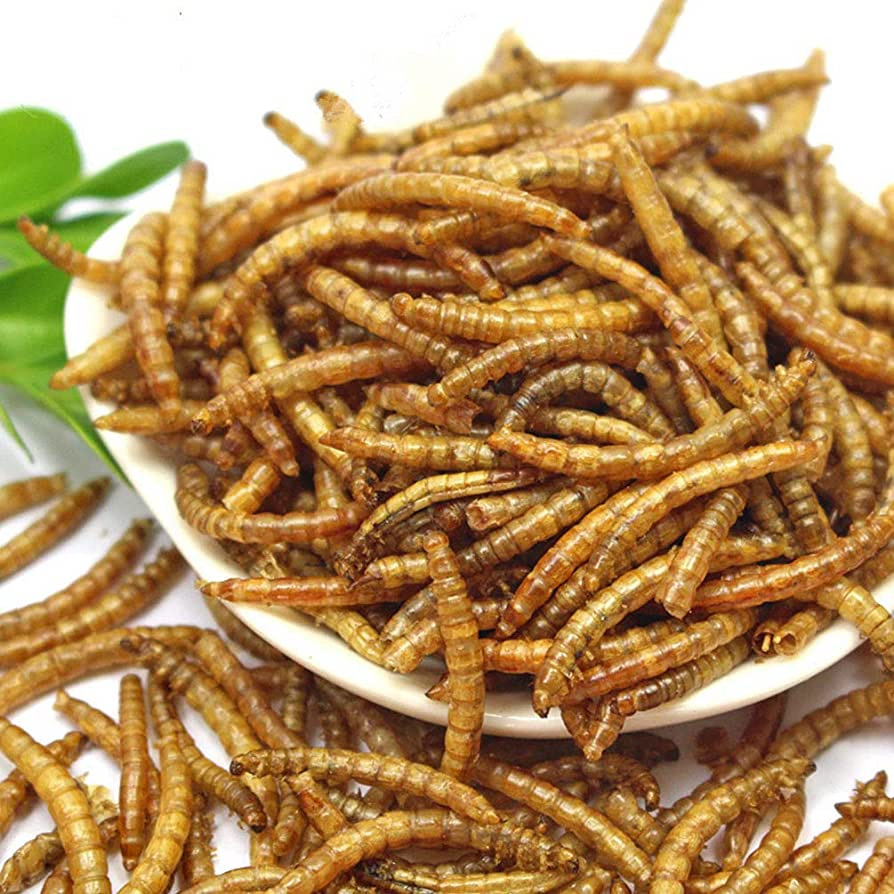
Beta Hatch is currently focused on producing whole dried insects for garden bird feed; protein and oil production are still in the experimental stage.
The company recently conducted trials on salmon, the results of which are expected to be published this year and will be included in the documents needed to obtain approval for the use of salmon mealworm larvae.
“The data shows that fishmeal has been successfully replaced, with its proportion reaching 40%. We are currently investing heavily in research and development in protein and oil.”
Beyond salmon, the company is also working with a wider range of industries to gain approval for the use of fish manure in animal feed and to expand the use of mealworm ingredients in pet food and poultry production.
In addition, their research team is exploring other uses for insects, such as in pharmaceutical production and to increase vaccine production.
Post time: Dec-18-2025